How to read a vehicle history report
The data tells stories—but only if you know how to listen
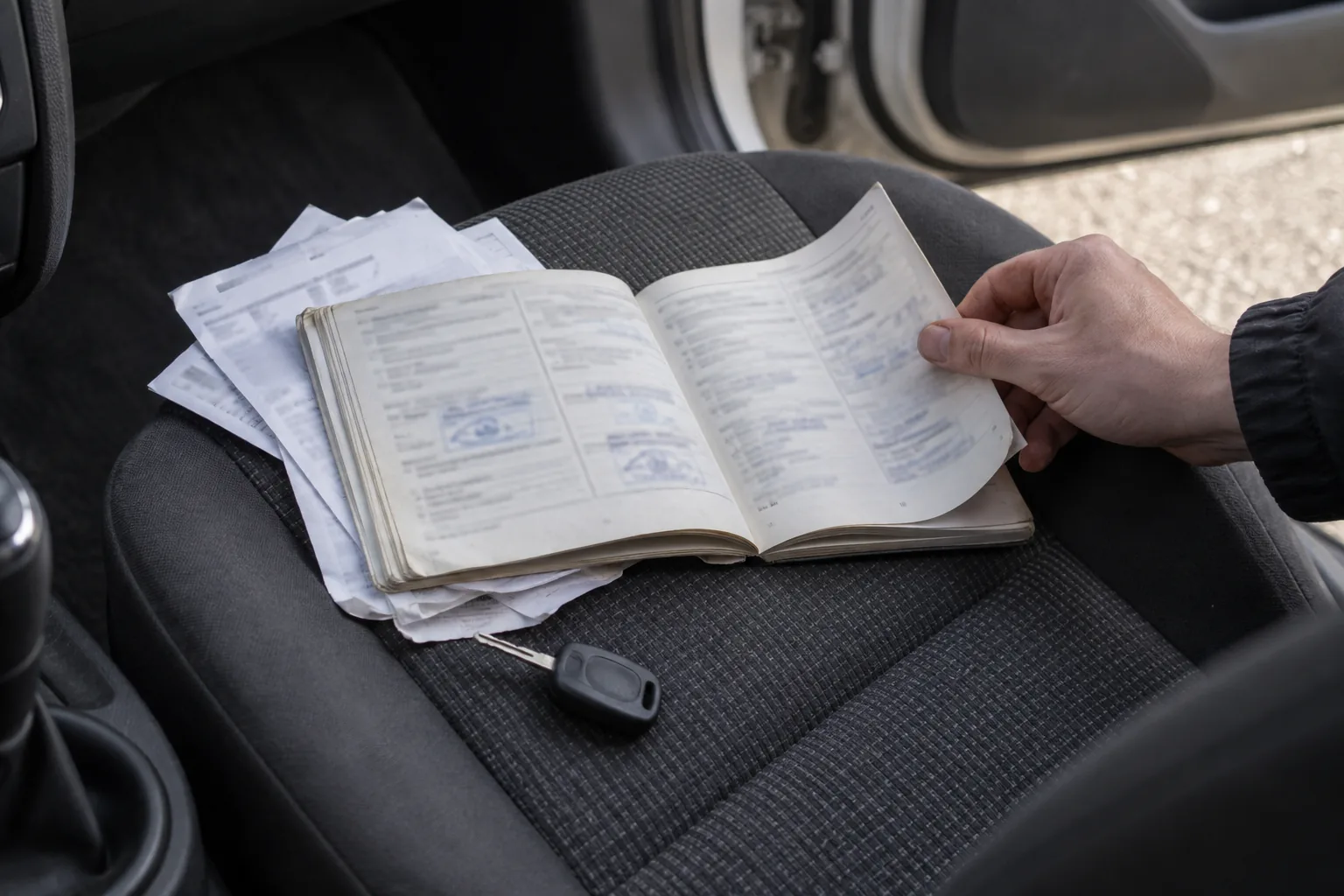
A Carfax report arrives as 15+ pages of data, records, and checkmarks. Most buyers skim it looking for obvious flags—accidents, title problems, recalls. Then they move on.
That's a mistake. Vehicle history reports contain stories hiding in plain sight. You just need to know what to look for.
Here's how to read these reports the way professionals do.
Start with the ownership pattern
Before you look at anything else, look at who owned this car and for how long.
Healthy pattern: 2-3 owners over the car's life, each keeping it for several years. This suggests people bought the car, liked it, and drove it until they had a reason to move on.
Warning pattern: Multiple owners in quick succession. If a car has had 4 owners in 5 years, ask yourself: why did everyone bail? People don't sell cars they like for no reason.
Red flag: Fleet or rental history followed by private sale. These vehicles were driven hard by people who didn't own them. Fleet maintenance is often the minimum required, not the best practice.
Read between the service entries
Service records are where the real story lives. Here's what to look for:
Consistent service intervals: Oil changes every 5,000-7,500 miles. Regular maintenance at a dealership or reputable shop. This is the sign of an owner who cared.
Gaps in service: Long periods with no recorded maintenance. Maybe they used an independent shop that doesn't report to Carfax. Or maybe they just didn't maintain it. You won't know which.
Unusual repairs: Pay attention to what was fixed and when. A transmission repair at 40,000 miles suggests a problem car. Multiple visits for the same issue suggests an unresolved problem.
Mileage jumps: Look for entries where mileage increases dramatically between services. This can indicate periods of heavy use or, in suspicious cases, odometer inconsistencies.
Decode the accident history
"No accidents reported" doesn't mean no accidents occurred. It means no accidents were reported to the databases these services use.
What gets reported: Insurance claims, police reports, major body shop work at reporting facilities.
What doesn't: Fender benders paid out of pocket. Work done at non-reporting shops. "Accidents" that the owner handled without involving insurance.
When an accident is reported, look at the severity and location. A rear-end tap is different from front-end structural damage. Minor damage is different from airbag deployment.
History reports tell you what's been reported. Physical inspections tell you what actually happened. They're complements, not substitutes.
Our inspectors use history reports as a starting point, then verify everything with their own eyes.
Get Your Inspection Report →Title status: the non-negotiables
The title section is where you find deal-breakers. Here's what the terms mean:
Clean title: No major issues reported. This is what you want.
Salvage title: The car was declared a total loss by an insurance company. The damage was so severe or expensive that it wasn't worth repairing professionally. Even if it's been "rebuilt," this is usually a walk-away.
Rebuilt title: A salvage vehicle that's been repaired and re-inspected. Better than salvage, but still carries risk. These cars are worth significantly less and may have hidden issues.
Flood title: The vehicle sustained water damage. This is an absolute deal-breaker. Flood cars create problems for years after they "dry out."
Lemon/buyback: The manufacturer repurchased the vehicle due to persistent defects. Unless you're comfortable with a car that its own maker couldn't fix, pass.
What history reports can't tell you
Here's the important caveat: history reports have significant blind spots.
- Current condition: The report tells you what happened, not what it looks like now
- Unreported damage: Not everything gets reported to the databases
- Mechanical state: No report tells you about worn brakes, aging suspension, or impending failures
- Quality of repairs: Knowing something was fixed doesn't tell you if it was fixed well
- Cosmetic issues: Rust, interior wear, and aesthetic problems don't show up
This is why a clean history report isn't the end of your research—it's the beginning. The report tells you what to investigate further, not what to ignore.
The professional approach
Here's how our inspectors use vehicle history reports:
- Pull the report first: Understand the car's story before arriving
- Identify investigation points: What does the history suggest we should examine closely?
- Verify on-site: Does the physical evidence match the reported history?
- Look for discrepancies: Signs of unreported damage, inconsistent mileage, or hidden repairs
- Contextualize findings: Use history to inform the inspection, not replace it
The best buyers use reports and inspections together. History tells you where to look. Inspection tells you what you find.
PrePurchase Pro inspections include a full vehicle history review. Our inspectors correlate reported history with physical evidence to give you the complete picture—not just what databases captured, but what's actually true.
Get the full story
History reports are a starting point. Professional inspection is the complete picture.